
Breastfeeding isn’t easy. It is a deeply personal and emotional decision for many women.
For many dads, breastfeeding looks like something that is just between mom and baby, leaving him hovering on the outside of their inner circle. However, dad’s role as a support person to his breastfeeding partner and baby is invaluable. Often, his level of support makes or breaks mom’s success.
The cultural idea that dads can’t do anything when it comes to breastfeeding is a harmful myth that alienates fathers from their partners and babies and leaves babies and moms struggling alone.
A lot of western culture tells fathers that they really aren’t essential in the early days of having a baby. In reality, a proactive and well informed partner is absolutely key to laying a solid foundation for mom’s recovery, for her mental health, and for the baby’s health and development. A crucial part of being supportive is learning about and preparing for a breastfeeding mother’s needs.
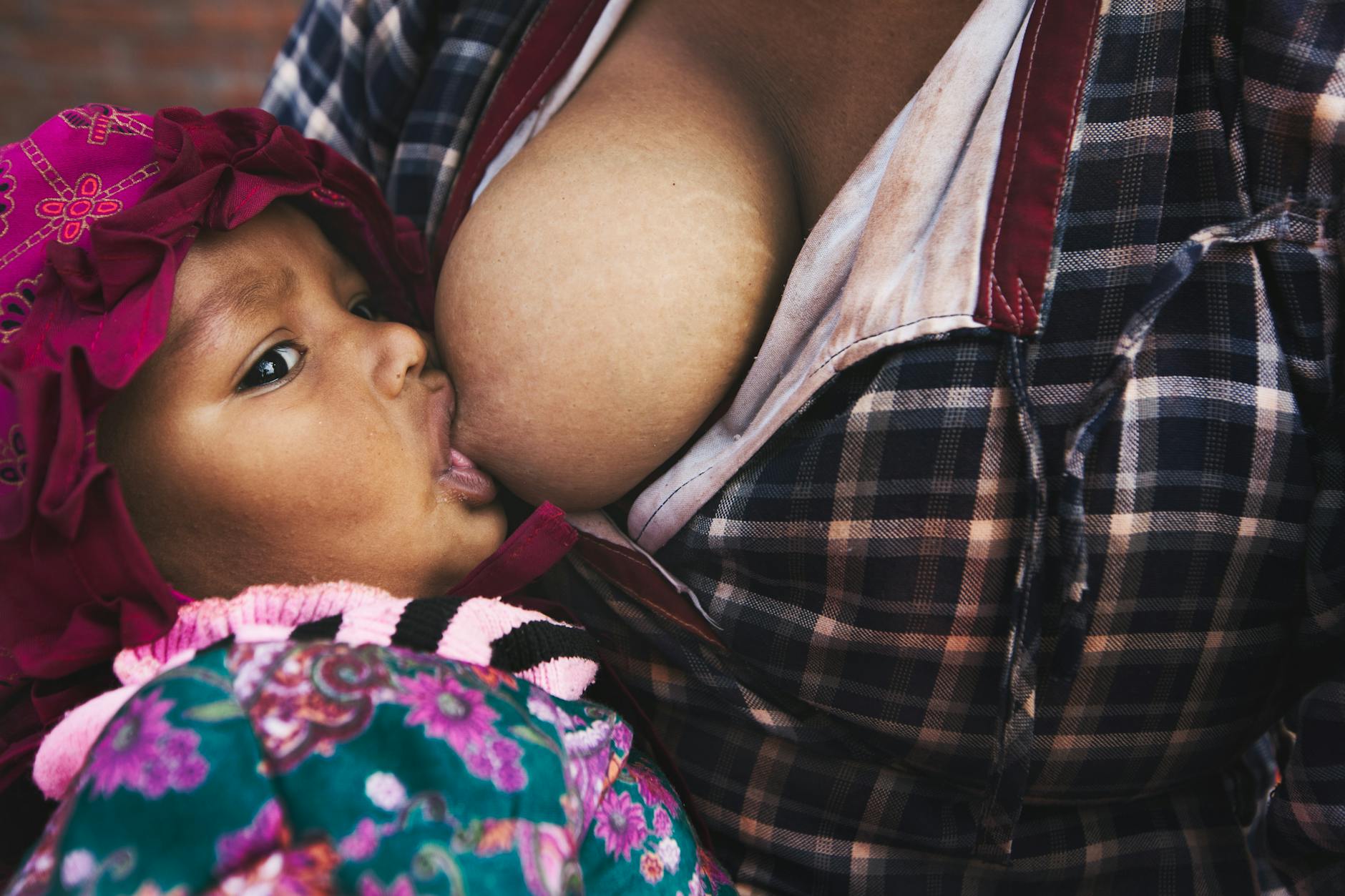
Here are just a few things partners can do to support a new mother who has decided to try breastfeeding.
Follow her lead
Ultimately, it is her body that will be doing the feeding, so it is always her decision whether she breastfeeds, for how long, and where and how she breastfeeds. There is no right or wrong in this scenario, and there should be no pressure. Do not allow family members to try to persuade or change her mind either way.
Remember that this is her journey, and she is allowed to change her mind about it at any time. The support from the partner is in aiding whatever the breastfeeding person decides, not in deciding for her or influencing her one way or the other.

2. Talk about her expectations and hopes for feeding
Ideally, you would do this before the baby is born so you both have plenty of time to think about it, gather information, and make preparations. Some examples of what to discuss:
- How important is breastfeeding or bottle feeding to both of you?
- What equipment and supplies will she need?
- How do you plan to share or support night feeding?
- Is your partner taking any medications that are not breastfeeding friendly?
- How long would she like to breastfeed?
- Will she feel comfortable breastfeeding out in public, or would she prefer more privacy?
- Will you introduce a pacifier/dummy or bottles and when?
Be prepared to Troubleshoot any issues.
- Does she have any worries or insecurities about how it will affect her body?
- How will you handle unkind, intrusive, or unsolicited advice and comments from other people?
- Where can you look for support if there is an issue? (e.g. La Leche League, IBCLC lactation consultant, an experienced friend or family member, a trained nurse, books, online forums, etc.)
- Do you plan to combo feed with formula or pump milk so other caretakers can feed the baby?
A personal anecdote about my own experience with having formula on hand just in case:
I have heard the advice that if a mother really wants to exclusively breastfeed, then she shouldn’t have formula at home to avoid “the temptation” of using it.
This is weird advice, and I would avoid any kind of ideology that puts this amount of pressure on breastfeeding or casts other forms of feeding in a negative light. Formula has fed countless babies who grew up into healthy, intelligent, loved adults, and in many situations, it has kept babies from going hungry.
So, back to my story: After I had my second baby, we had not thought to buy formula or even bottles because he had breastfed well in the hospital. Just a day or two after coming home from the hospital, I developed a bad infection. I had to go back to the hospital in the middle of the night, but my husband had no bottles or formula to feed the baby. A newborn baby cannot go through the night without milk.
I had to come home two hours after being admitted because there was nothing to feed the baby at home, and my husband could not leave our sleeping daughter home alone. I did eventually recover at home, but I have never felt so sick in my entire life. If we had had formula and bottles at home just in case, I could have stayed in the hospital and received proper care instead of going home to suffer with illness while taking care of a newborn. There is no good reason not to be prepared to feed your baby if breastfeeding isn’t an option.
3. Have patience
Breastfeeding is a learned skill for both mother and baby. Many women are surprised how emotionally and physically demanding it can be even when everything goes right. When it doesn’t work right away, it can be extremely difficult to cope.
One of my first indications of postpartum depression was my extreme reaction when breastfeeding didn’t go well with my first baby. I became obsessed with forcing it to work despite stress for myself and my baby.
In the end, the baby needs food and mom needs to feel human and not like a defective machine. Breastfeeding should not cause anybody misery. Despite its benefits, it doesn’t help anyone when feeding becomes torture.
4. Breastfeeding is taxing on the body
Most women need an additional 300 to 500 calories per day to maintain a milk supply. Not only that, but her body will need higher levels of almost all nutrients, so the quality of her food counts. Feed her good, nutritious food. I highly recommend Real Food for Pregnancy by Lily Nichols for more information.
Breastfeeding makes one very thirsty. Offer to bring a drink or a snack every time you see her settle into her favorite feeding spot with the baby.
Make sure her nursing place is comfortable and supports her back, neck, and arms. Pillows will help with this, especially a breastfeeding pillow. You can set out a small snack like a granola bar, fruit, or lactation cookies on the night stand for night time feedings. Breastfeeding hunger is no joke, and neither is a hangry, tired mama.
5. Treat her to some really pretty nursing bras and clothes
Are they very expensive? Yes. Is it worth it? Yes.
Realistically, breastfeeding is not free or even always cheap. You will need some accessories, equipment, and supplies. Having the right clothes for the job is a good start.
Furthermore, Breastfeeding brings a lot of changes to a woman’s body at a time when everything else is changing. Remember how awkward you felt during puberty when your body starting looking different, smelling weird, and your hormones were going haywire? That is what a woman experiences after giving birth. She deserves to feel comfortable and put together.

6. Encourage her and show your appreciation every day
She literally made your baby from her own blood and bones. Now she is feeding that baby from her own body, taking nutrients from her bones, her blood, muscles, and her organs. Tell her how amazing, beautiful, and strong she is. You can’t just assume that she knows.
Keep in mind that this is a huge commitment, regardless of whether it comes easily or takes some more work or ultimately doesn’t work at all. Breastfeeding a baby for one full year adds up to nearly the same hours as a full time job. Everyone wants to be recognized and appreciated for their work, so don’t overlook this very important work. Remember that nobody else can give this to your baby except her.
The most important thing that I want to relay to parents is that regardless of how you feed your baby, it has no reflection on the quality of your parenting. Mothers who exclusively breastfeed are good mothers, and mothers who combo feed are good mothers. Mothers who pump are good mothers. Mothers who formula feed from the very first feed are good mothers. Fed is best.The success of your breastfeeding journey does not reflect your success as a parent. Every parent deserves to feel seen, supported, and appreciated.
 NurtureHer
Leave a comment